From Kohli’s Cheers to Jaiswal’s Roar-Delhi Witnesses the Rise of a New Star

By Crick tv
Created at Oct 11, 2025 09:56 PM
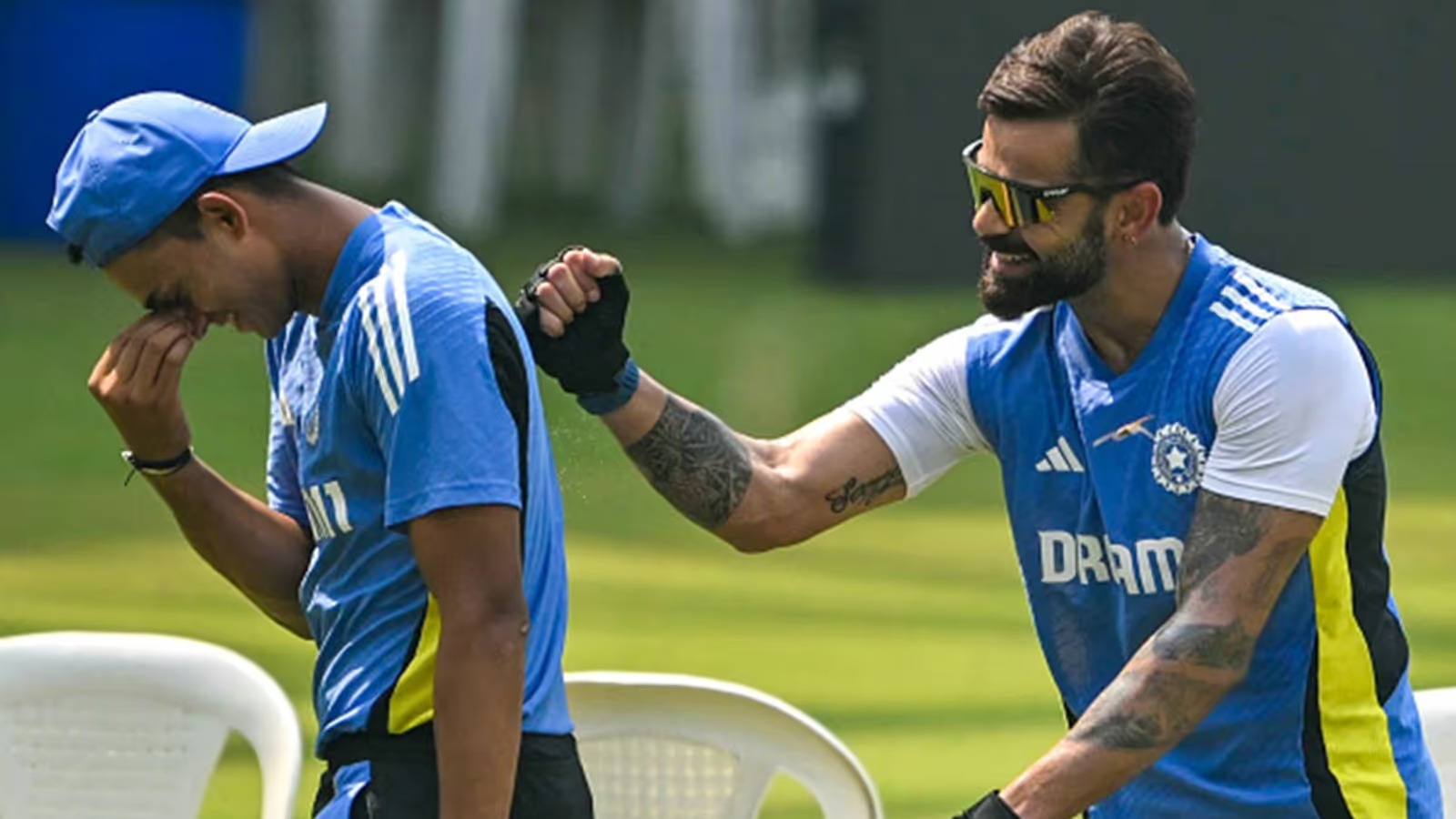
The Feroz Shah Kotla Stadium in Delhi witnessed an extraordinary shift of energy on Friday as young Indian opener Yashasvi Jaiswal turned the crowd’s “Kohli, Kohli” chants into a euphoric “Jaiswal, Jaiswal” roar. Before a house that had arrived to cheer local hero Virat Kohli, the 23-year-old left-hander delivered one of the most mesmerizing centuries in recent Test cricket — a innings that muzzled the doubters, left the crowd in awe, and announced the arrival of India’s next batting sensation.
It was a chilly autumn morning when Jaiswal emerged to start India’s innings against England in the second Test. The Kotla crowd, which had seen Kohli rule these wickets for more than a decade, started chanting his name even before the game began. But Kohli was not in the playing XI — rested for the series due to workload management. What the Delhi fans got instead was something they did not anticipate: a new name ringing in the air, a new hero emerging from the backbench.
Jaiswal’s innings started with steely resolve. The early overs tried his patience, with James Anderson and Ollie Robinson bowling in harmony. But once he found his groove, Jaiswal let loose a batting masterclass. With a combination of fine drives, big pulls, and fearless sweeps, he tore into England’s attack with maturity that was much more than his years could have suggested. His timing was immaculate, and each boundary had the crowd standing on its feet. By lunch time, India was settled comfortably, and Jaiswal was speeding to a milestone.
The turning point came when he reached his century — off just 127 balls — and stood tall, arms raised, eyes closed in a moment of pure emotion. The crowd, initially echoing “Kohli, Kohli,” erupted into “Jaiswal, Jaiswal.” It was not merely a chant; it was a symbolic passing of the torch. Delhi, a city that had long been synonymous with Kohli’s dominance, had found another hero to celebrate.
Jaiswal’s ton was not merely runs-oriented. It was about presence, charm, and hunger. He emerged as the youngest Indian opener to make a Test century in Delhi, breaking records that had been set by legends. The innings contained a touch of aggression akin to Sehwag’s bold batting, with a mix of the placid temperament of Dravid. Every stroke was a reflection of his journey — from the huddled streets of Bhadohi and hardships in Mumbai to the big stage of international cricket.
Talking at the end of day’s play, Jaiswal modestly deflected credit, adding, “It’s always special to get runs for India, more so in a city like Delhi where legends have played. The crowd was fantastic. To hear them chant my name was emotive. I used to watch Kohli bhai play growing up — if spectators now cheer for me, that’s the biggest motivation.”
Its former cricketers were not slow in showering the young player with praise. Sunil Gavaskar described it as “a statement innings that defines India’s future in Test cricket,” and Michael Vaughan wrote on Twitter, “Jaiswal has the aura of a modern great. India’s next superstar has arrived.
When India’s innings came to a close, Jaiswal had added a dominant 178 before getting out on a weary shot towards the end of the day. His knock sealed India’s dominance but, more significantly, initiated a change of guard in the stands. The cries of “Kohli, Kohli” had gracefully been replaced with “Jaiswal, Jaiswal,” marking the transition of Indian cricket’s bating heritage.
In a time when expectations rest so heavily on young shoulders, Yashasvi Jaiswal stood tall — not only as a bright young talent, but as a self-assured beacon of Indian cricket’s destiny. Delhi saw a new hero born, and if the roars of the Kotla faithful are any testament, the name “Jaiswal” will ring through Indian cricket for many years to come.